

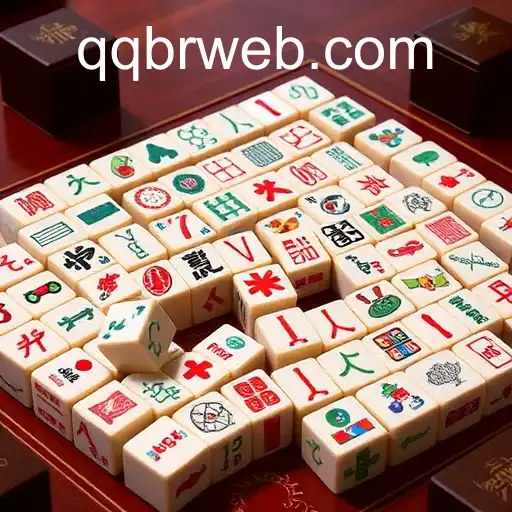
Mahjong: A Deep Dive into the Classic Game with a Modern Twist
Originating in China, Mahjong is a tile-based game that has captivated the world for centuries. With its intricate rules and challenging gameplay, Mahjong is more than just a pastime; it is a cultural phenomenon that encompasses strategies, skill, and, to some extent, luck. The essence of Mahjong has expanded beyond its traditional borders, influencing digital formats like the "QQ BR" version, appealing to a new generation of internet-savvy players.59rr.com
The Rich History of Mahjong
Mahjong is believed to have been developed during the Qing Dynasty. Although its exact origins remain a mystery, it is often described as a game of skill, intelligence, and calculation, much like a chess match with tiles. Initially, Mahjong was an exclusive pastime of the elite but over time, it evolved and gained popularity across various strata of society.
Besides its entertainment value, Mahjong was a social event, a means for people to gather, converse, and share stories. Its importance in cultural gatherings cannot be overstated; it is as much about the social experience as it is about the game itself.
Understanding the Basics
The traditional game of Mahjong uses a set of 136 or 144 tiles, depending on the variant being played. The tiles are categorized into three suits – Characters, Dots, and Bamboos – along with Honor and Bonus tiles. The core objective is to build a legal hand using these tiles, a process that involves drawing and discarding tiles until the desired combination is achieved.
Central to playing Mahjong is understanding the complex rules that govern the game. These include the formation of melds, understanding the role of the dealer, and grasping the nuances of scoring which can significantly vary between different regional versions of Mahjong.
Popular Variants of Mahjong
Mahjong has evolved into numerous variants over the years, each reflecting cultural and regional tweaks:
- Chinese Classical: The original form that most closely mirrors the game's traditional rules.
- Japanese Mahjong (Riichi): Known for its complex scoring, introducing the concept of "Riichi" where a player can declare one tile away from winning.
- American Mahjong: A variant that includes joker tiles and a distinctive card with specific hands published annually.
- Hong Kong Mahjong: A simplified version, often considered the "international" version due to its widespread popularity.
The Digital Revolution: Mahjong in the Age of "QQ BR"
29P.comThe advent of technology transformed the traditional game of Mahjong, giving rise to digital adaptations that reach a global audience. Among these, "QQ BR", a variant available on popular social media and gaming platforms, represents a significant milestone in Mahjong's evolution.
"QQ BR" has captured the interest of players by offering an accessible, engaging platform that mimics the traditional gaming experience while integrating contemporary features. The game features innovative elements such as interactive gaming interfaces, multiplayer options, and social media connectivity, making it a favored choice for digital natives.
Moreover, "QQ BR" introduces players to a community-driven environment where strategies, tips, and experiences are shared. This virtual communality preserves the social essence of Mahjong, much like its traditional counterpart.5ubet.com
Strategies for Mastering Mahjong and "QQ BR"
Winning at Mahjong requires a blend of strategy, keen observation, and adaptability. Here are some strategies that players both new and seasoned can consider:
- Memory and Attention: Keeping track of discarded tiles and those picked up by opponents is crucial. This knowledge informs strategic decisions.
- Flexibility: Adaptability is key; the scenario in each game can shift rapidly. Being able to alter strategies quickly is vital.
- Risk Assessment: Players should assess the risk of discarding particular tiles which might complete another player’s hand.
The "QQ BR" version of Mahjong adds a layer of complexity with its digital format, requiring new strategies like understanding online player behavior and leveraging digital tools for better tile management.5ubet.com
Mahjong: A Game for All Seasons
Despite its seemingly complex nature, Mahjong is a game that can be enjoyed by players of all ages and skill levels. With time, patience, and practice, its intricacies unravel, revealing a game rich in strategic depth and cultural history.
The evolution of Mahjong from a traditional game into formats like "QQ BR" underscores its adaptability and enduring charm. It continues to be a testament to the lasting appeal of games rooted in history while embracing modernity. Aspiring players should dive into the world of Mahjong, where tradition meets innovation in the most engaging and rewarding ways.